








Warehouse Rack Repair: What to Document Before You Call
A rack repair call backed by a few clear details moves faster than one built around a vague description, and warehouse rack repair scheduling benefits from knowing what those details actually are.
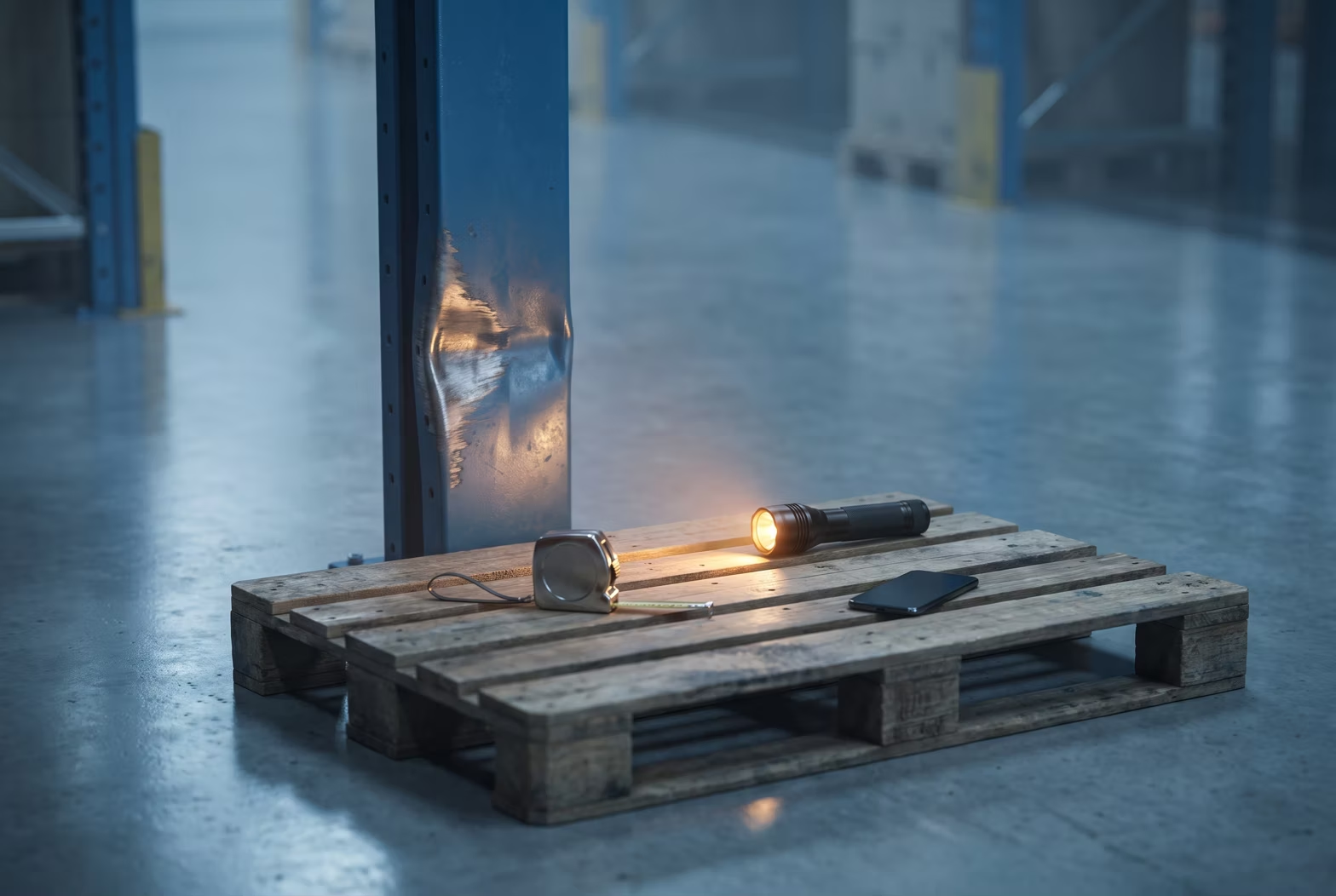
Warehouse rack repair starts with a phone call or a message describing what happened, and the quality of that first description shapes how quickly a real assessment can follow. A few minutes spent capturing the right details before making that call saves a warehouse a repeat trip and a slower start.
Photograph the Damage From More Than One Angle
A single photo taken straight on inside a warehouse can hide how far a rack column has actually bowed. A second angle, taken from the side down the length of the upright, shows curvature a front-facing shot misses entirely, which matters to a warehouse deciding how urgent the finding is. A third shot of the surrounding bracing confirms for a warehouse whether the damage stayed contained to one column or reached the connections around it.
A photo taken with something of known size next to the damage, a tape measure, a standard pallet, even a hard hat, gives a sense of scale that is easy to lose in a close-up shot of bent steel. Without that reference, a small dent and a serious bow can look surprisingly similar to a warehouse team reviewing a photo taken too close.
Note Exactly Where the Damage Sits
Which warehouse aisle, which bay, which side of the rack column, and roughly what height off the floor all matter to a crew trying to locate the damage quickly. A rack column struck near its base behaves differently in a warehouse than one struck several feet up, and a written note pinpointing the location saves a crew from having to re-locate the exact spot from a photo alone.
A warehouse with its own internal numbering for aisles and bays should use that same numbering in the call, rather than a generic description like “the third row from the loading dock.” A warehouse’s internal labels are usually painted or posted right at the location, which gives a rack repair crew an unambiguous reference the moment they arrive rather than one that depends on someone walking them over to point it out.
Record What Caused It, If Known
A forklift strike, a dropped load, or an unknown cause discovered during a routine warehouse walkthrough are three different starting points for an assessment. Knowing which one applies, even roughly, helps a warehouse frame what else nearby might also be worth a closer look.
A forklift strike inside a warehouse, for instance, is rarely a single isolated event. If one column was hit, the columns and bracing on either side of it are worth a glance too, since the same pass that caused the visible damage may have grazed something nearby without leaving as obvious a mark.
Capture the Rack’s Basic Identifying Details
A photo of any visible manufacturer markings, color-coding on the upright and beams, or a data plate if one is still attached and legible gives a warehouse a head start on identification before a crew even arrives.
Where none of that is visible or legible, noting the approximate age of a warehouse’s installation and roughly when it was purchased still narrows the possibilities considerably. Even a rough sense of who installed the racking originally, if that record still exists anywhere in a warehouse’s files, can shortcut a search that would otherwise start from nothing.
Check Whether the Bay Is Still in Use
Whether a damaged warehouse bay is still loaded, has already been emptied, or was tagged and taken out of service matters for how a rack repair gets scheduled and prioritized. A loaded warehouse bay carrying weight on a compromised column is a different urgency than one already cleared and waiting.
If the warehouse bay has been unloaded as a precaution, noting that in the initial call matters too. It tells the crew the immediate warehouse safety step has already been taken, which shifts the conversation from an urgent stopgap to a properly scheduled repair.
Why Good Documentation Still Needs an Unbiased Read
Good documentation speeds up the call for a warehouse, but it doesn’t replace the judgment behind the recommendation that follows it. 1 Stop’s over 30 years of rack repair experience shape an agnostic read of that documentation, covering both what the photos show and which repair path actually fits it. A provider selling a single manufacturer’s kit reads the same photos looking for a reason to recommend their product, not for the best match. Depending on what the documentation reveals, a different manufacturer’s kit, or full replacement, can turn out to be the right call. Getting that judgment right takes a partner without one outcome already in mind.
Why the Details Matter Before the Crew Ever Arrives
None of this replaces an on-site warehouse assessment, and 1 Stop always confirms the actual condition in person before recommending a fix. What good documentation does is let a warehouse assessment start from a real picture instead of a guess, cutting down the back-and-forth that a vague description usually requires.
A short printed card at the maintenance office, listing the five things to capture before calling, is usually all it takes to turn this from a one-off good habit into standard practice across an entire shift. The cost is a few minutes per incident report; the payoff compounds every time a crew shows up already knowing what they’re walking into instead of starting the assessment from a blank slate.
1 Stop’s warehouse rack repair recommendations move faster when they start from clear, specific information instead of being reconstructed on site from scratch, a difference built from decades of seeing how much a good initial report speeds up everything that follows.