








Warehouse Rack Repair: When the Damage Keeps Pointing to the Same Spot
A rack that keeps getting hit in the same place is not unlucky, and warehouse rack repair on that spot alone treats the symptom while the layout question underneath it goes unanswered.
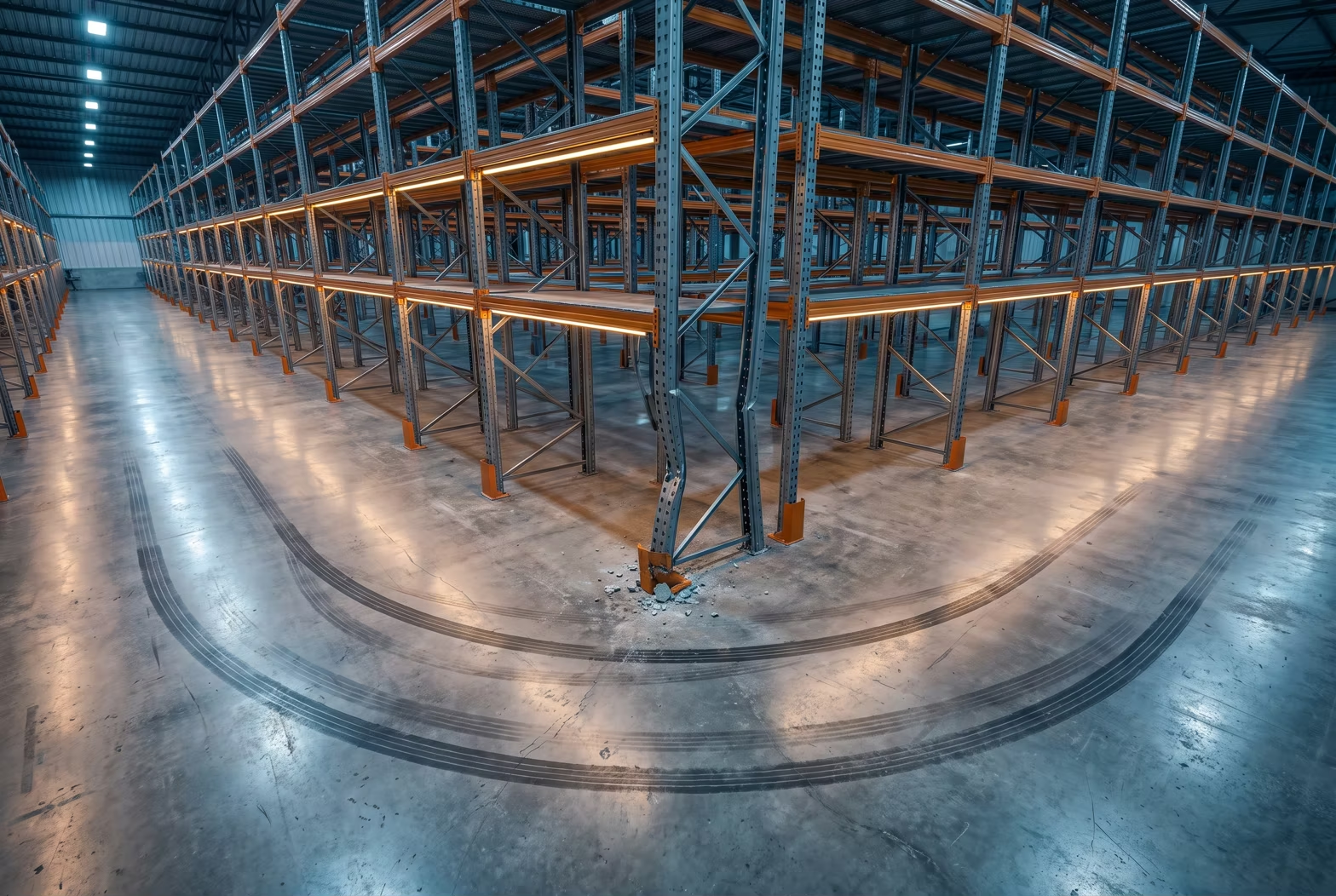
Warehouse rack repair on a single damaged column is a straightforward job. The same repair showing up on the same column more than once is a different problem. So is a pattern of damage clustered at the same end of the same warehouse aisle. 1 Stop treats a repeat call as a reason to look at the layout, not just the steel.
What Repeated Damage in One Spot Actually Means
A forklift does not strike the same column in a warehouse twice by coincidence. An aisle end that keeps taking hits usually means the turning radius into it is tighter than the equipment being used, or that a blind corner sits exactly where a driver needs to see clearly. Sometimes it is simpler than either: a rack column placed just close enough to a main travel lane that ordinary traffic clips it more often than the layout’s designer anticipated.
Traffic patterns changing after the racking went into a warehouse are a common cause. A layout designed around one forklift fleet or one picking pattern can become a poor fit once equipment, staffing, or order volume shifts. The columns absorbing that mismatch in a warehouse are usually the ones nearest the tightest turns.
Seasonal staffing in a warehouse plays a part too. A warehouse that brings on temporary drivers for a busy stretch often sees damage cluster in the same handful of spots, because newer drivers are the ones least familiar with a layout’s tight corners and awkward sightlines. The columns take the hit; the actual cause is unfamiliarity with a layout built for experienced operators.
Why Repairing the Column Alone Does Not Fix It
A rack repair kit restores the rack column. It does nothing about the turning radius, the blind corner, or the traffic pattern that put the rack column in the way in the first place. Without addressing that, the same spot is likely to take another hit once the rack repair is back in service, and the warehouse ends up paying for the same fix more than once.
This is where a warehouse inspection has to widen its own scope. Confirming that a rack column is repaired correctly is one question. Asking why that particular column keeps getting damaged is a separate one, and it is the question a repeat call should actually prompt.
Cost adds up quickly under the rack repair-only approach as well. Three repairs on the same column over two years cost more, in parts and in labor, than a single layout adjustment made after the first or second incident would have.
What a Layout Fix Can Look Like
Sometimes the answer for a warehouse is a rack column protector or a guard rail placed at the point of repeated impact, which does not change the layout but gives the rack column a buffer the forklift hits first. Other times the more durable fix is widening the aisle end, relocating a blind corner, or adjusting where a specific rack run starts, so the equipment being used today actually clears it.
Neither of these is a decision to make from the rack repair alone. It comes from looking at how the warehouse space is actually being driven through, not just what the damage on the steel shows.
The right answer also depends on how much the layout can realistically change. A leased warehouse with a fixed footprint has less room to move an aisle than a warehouse that owns its building and can afford a larger reconfiguration. Where a full layout change is not practical, reinforcement at the point of repeated impact becomes the more realistic answer, even if it does not solve the underlying traffic pattern completely.
The Same Unbiased View Applies to the Fix, Not Just the Layout
Recognizing a warehouse layout problem is one part of the picture. Choosing what actually repairs the damaged column is the other, and it calls for the same unbiased view. 1 Stop’s over 30 years of rack repair work come with an agnostic approach that covers the damage assessment and the rack repair method both. A provider that only sells one manufacturer’s kit has a reason to recommend it regardless of whether the layout issue has left the rack column needing something else entirely. Depending on the specific damage, a different manufacturer’s kit, or full replacement, can be the more appropriate answer. Reaching it takes a partner focused on the right fix, not one product line.
Reading Repeat Damage as a Signal, Not a Coincidence
A warehouse that adds a second shift, brings on a new equipment class, or shifts to smaller, more frequent orders is a warehouse whose traffic no longer matches the layout its racking was originally placed against. The columns absorbing repeat hits are usually the ones sitting closest to whatever changed.
A warehouse with a tight footprint feels this fastest, since there is less room to route around a bad turn once volume grows. A warehouse willing to log where each repeat hit lands, rather than treating every strike as its own isolated event, is the one that spots the pattern early enough to fix the layout instead of just refilling the same repair order every few months.
Warehouse rack repair on the same spot more than once is telling a warehouse something about how that space gets used. 1 Stop treats a second call to the same column as a prompt to ask why, drawing on decades of seeing where a repeated fix is masking a layout problem rather than solving one.